NEWS
NEWS
UOS completed training of over 350 Libya Diplomatic Police Officers
UOS has completed 4 months training of Libya Diplomatic Police. In order to strengthen the capacity of Diplomatic Police UOS has trained over 350 officers in various disciplines.

The continuation of conflict within Libya has perpetuated a high threat environment throughout the country from diverse groups of armed actors with varying agendas and access to substantial quantities of arms, ammunition, and explosives. The Libyan Diplomatic Police (DP) within the Ministry of Interior provides security for the diplomatic community in static locations and during movements. The capacity of the Libyan DP to implement its mandate has been dramatically degraded by the acute lack of resources and training in recent years. As a result, DP personnel required capacity development in targeted areas of their work. Preliminary consultations in 2020 identified capacity development requirements in: explosive threat awareness and response; provision of static security and during movements; and emergency first aid/medical response.
For this purpose UNMAS Libya contracted UOS/DHS to provide training to the Libyan DP to enhance their operational capability and effectiveness, enabling the DP to operate safely whilst providing security to the diplomatic community. All training was to be delivered in the context of conducting diplomatic protection duties and with this as the priority.
Both components were subdivided into series of most relevant trainings to address all threats that Libya DP personnel may face in the field.
Component A included following series of trainings that were organized in Libya:
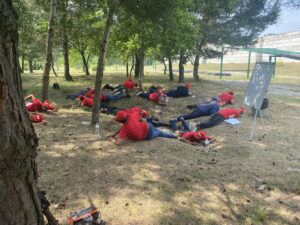
a) Individual First Aid Kit (IFAK) Training: Training to enable DP personnel to provide initial self-aid and buddy care to a trauma patient in a field environment until professional care can be provided.
b) Tactical First Responder Training (TFR): Training to enable DP personnel to conduct detailed patient assessments, provide damage control resuscitation, and patient evacuation in a field environment.
c) Training-of-Trainers (TOT) course: IFAK TOT training and a maximum of 5x students will be identified and TFR TOT training to enable the DP to continue delivering internal training in each discipline at the completion of this project.
Component B included following series of trainings that were organized in Ukraine:
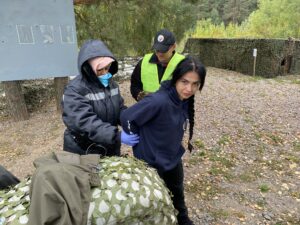
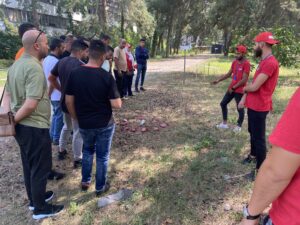
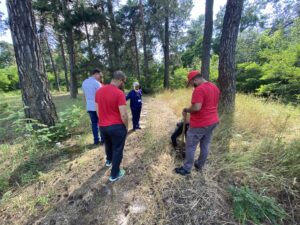
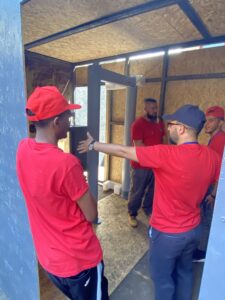
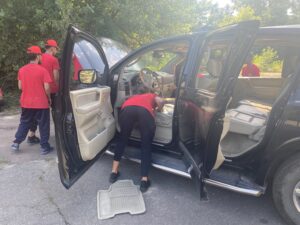
a) Explosive Hazard Awareness and Search Training: Training to enable DP personnel to recognise IED and ERW threat indicators; safely conduct physical search operations of personnel, defined structures, and vehicles; and implement procedures to safely react when a suspicious item is located or an IED has initiated.
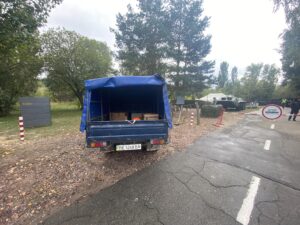
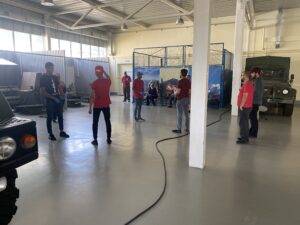
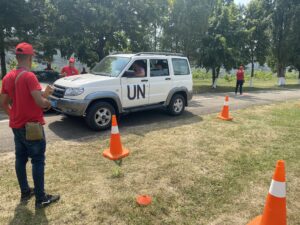
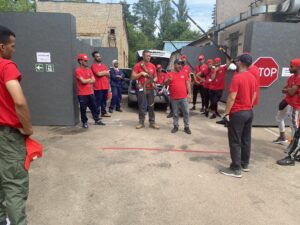
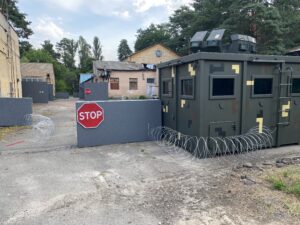
b) Vehicle Checkpoint and Mobility Planning Training: Training to enable DP personnel to plan, establish, and conduct mobile and static Vehicle Checkpoints; vehicle searches; conduct threat assessments of IED/ERW threatened routes; and plan for movements from, through and to threat environments.
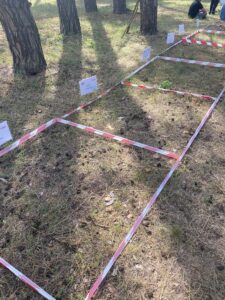
c) Route Search Training: Training to enable DP personnel to conduct mobility operations including assessing Vulnerable Points (VPs) or Vulnerable Areas (VAs) along a route for the presence of IEDs and determining how best the VA/VP should be searched; and conducting searches to locate and isolate IED threats, if present.
d) Training-of-Trainers (TOT) courses: TOT training to enable the DP to continue delivering internal training in each discipline at the completion of this project.
To support this requirement, UOS/DHS was employed as a training capacity, and provided UNMAS Libya with a Project manager, dedicated medical instructors, IEDD/Search and VCP&MP instructors, as well as other support staff to ensure that all training objectives will be reached.
UOS/DHS had, and continues to have, extensive experience operating in Africa; it has been active for 20 years where It has worked in 12 different African states and therefore understands that the nature of the threat environment can significantly vary across the African continent.
During the planning phase of this project, UOS/DHS utilised its understanding to develop a training course that fully responded to the requirements and addressed the critical knowledge gaps of students.
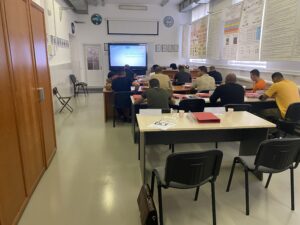
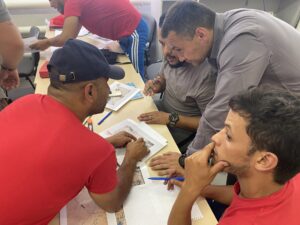
To assist in the delivery of this course, UOS/DHS made use of daily written tests to ensure students were engaged with the course and retaining information.
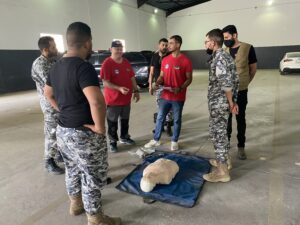
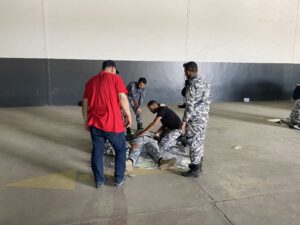
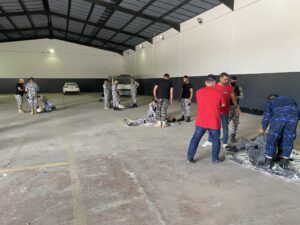
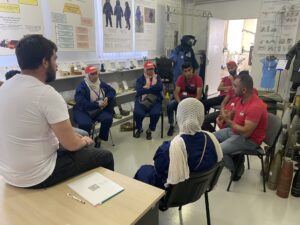
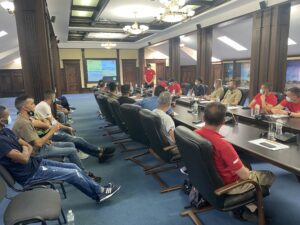
Medical training was organized at the facilities of Libyan Diplomatic Police in Tripoli. As a result of the medical training activity 326 people were trained to provide initial self-aid and buddy care to a trauma patient in a field environment, until professional care can be provided, 15 people were trained conduct detailed patient assessments, provide damage control resuscitation, and patient evacuation in a field environment, as well as 15 people were trained to deliver trainings in the above disciplines and had a chance to practice delivery of the lessons to other students.
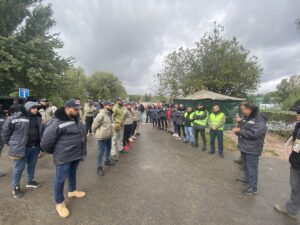
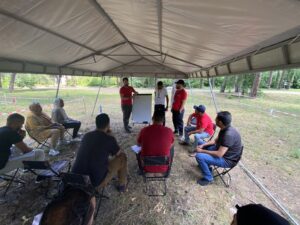
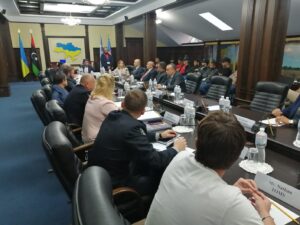
For the tactical training students arrived to Kyiv, Ukraine. Students were split into two groups of 16 and 15 people respectively. First group arrived in Ukraine at the beginning of July and after completion of the training 8 of them traveled back to Libya while other 8 remained to participate in ToT training and practice as mentored instructors during the training of the second group.
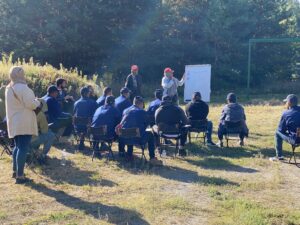
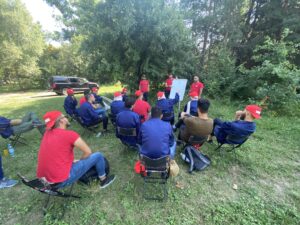
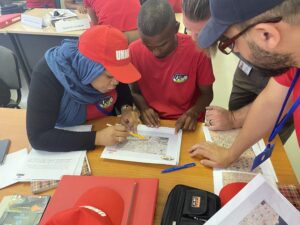
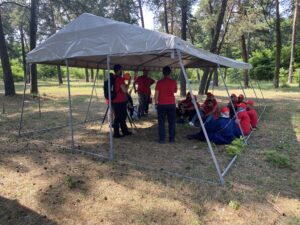
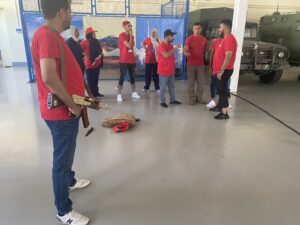
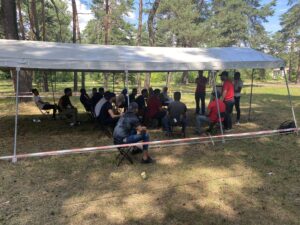
The courses were delivered through a mix of practical and theory lessons combined with scenarios and formal assessments. This was accumulated with a final full mission culmination exercise that covered the entire three course’s content in reality-based exercises.
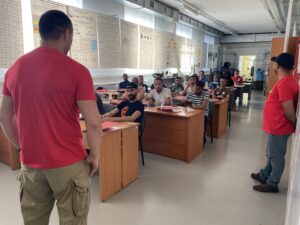
The courses were delivered between two training areas. The UOS training facility which includes a purpose-built EOD and Search classroom with outdoor training area and the Ukrainian National Police Academy (approximately 50km outside of Kiev) which has a significant training area suitable for scenarios.
Over the duration of the course change’s were made to reflect the roles and responsibilities of the Libyan DP and a through the readjustment of the courses. This was primarily done to allow the 5 Day EHAT course to be delivered in Libya as an enabling course and to provide a Prepare the Force effect that fits within the Libyan Diplomatic Polices roles and responsibilities. The subsequent courses are then courses to prepare the Libyan Diplomatic force to provide assistance to the wider Libyan Security Forces ability to Defeat the Device and Attack the Network.
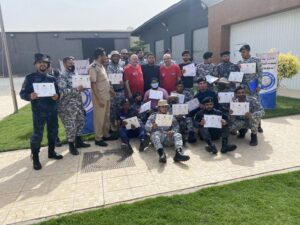
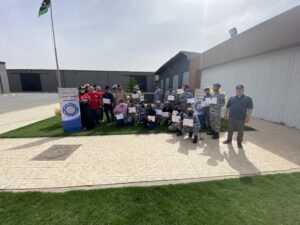
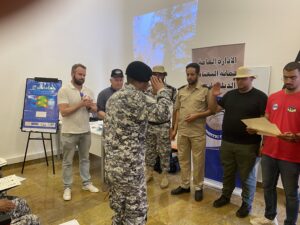
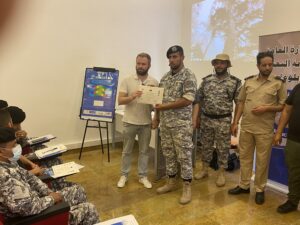
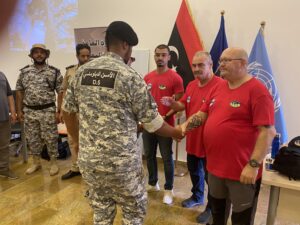
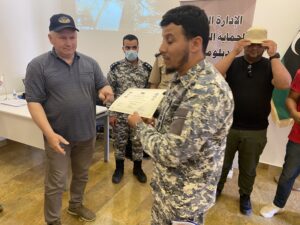
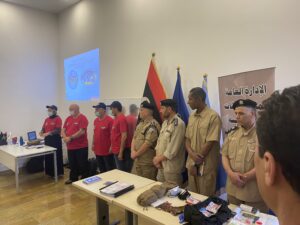
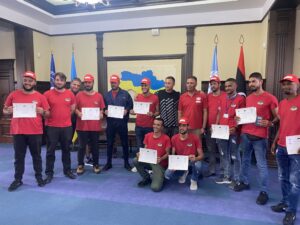
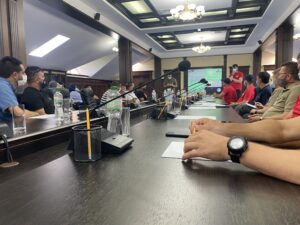
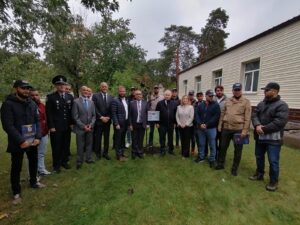
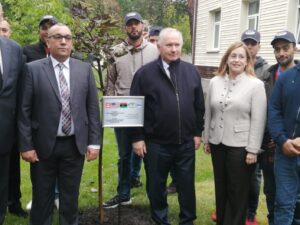
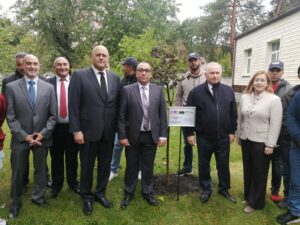
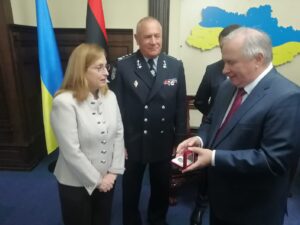
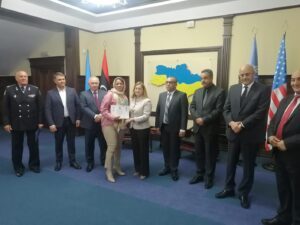
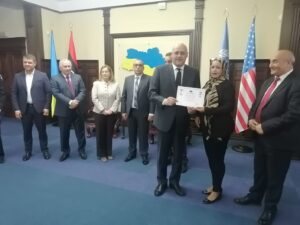
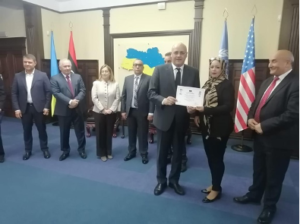
At the end of each course the participants were presented with certificates, with UNMAS and Libya DP representatives present. All students passed the final assessments with very good marks including female ToT students that is very high importance, as more an more female are joining Libyan Diplomatic Police.
During the graduation ceremony one of the students* mentioned “I would like of express my sincere gratitude to the UNMAS and UOS/DHS teams that made possible for us to take over their experience and apply it in practice for our own safety and safety of international community that operates in Libya. As well it would be a great honour for us to impart knowledge that we gained to our colleagues and other young men and women that join Diplomatic Security Service”.
As a result of the comprehensive training, Diplomatic Police Officers can now utilise proven assessment methodology within the planning process. They can gather all available intelligence; analyse the intent, capabilities and opportunities for attack open to armed violence groups; and thereby provide meaningful threat summaries to commanders to enable effective defence. The officers’ timely accurate and considered input directly assists critical decision-making and allows freedom of movement for security forces and international community while also disrupting AVGs’ networks, tactics and procedures.
Capacity development trainings supported by UNMAS are of the high importance for stabilization and development efforts by the international community that lead to overall safety and security in Libya, and facilitate partnerships and greater engagement for Libyan stakeholders and international partners, including diplomatic personnel.